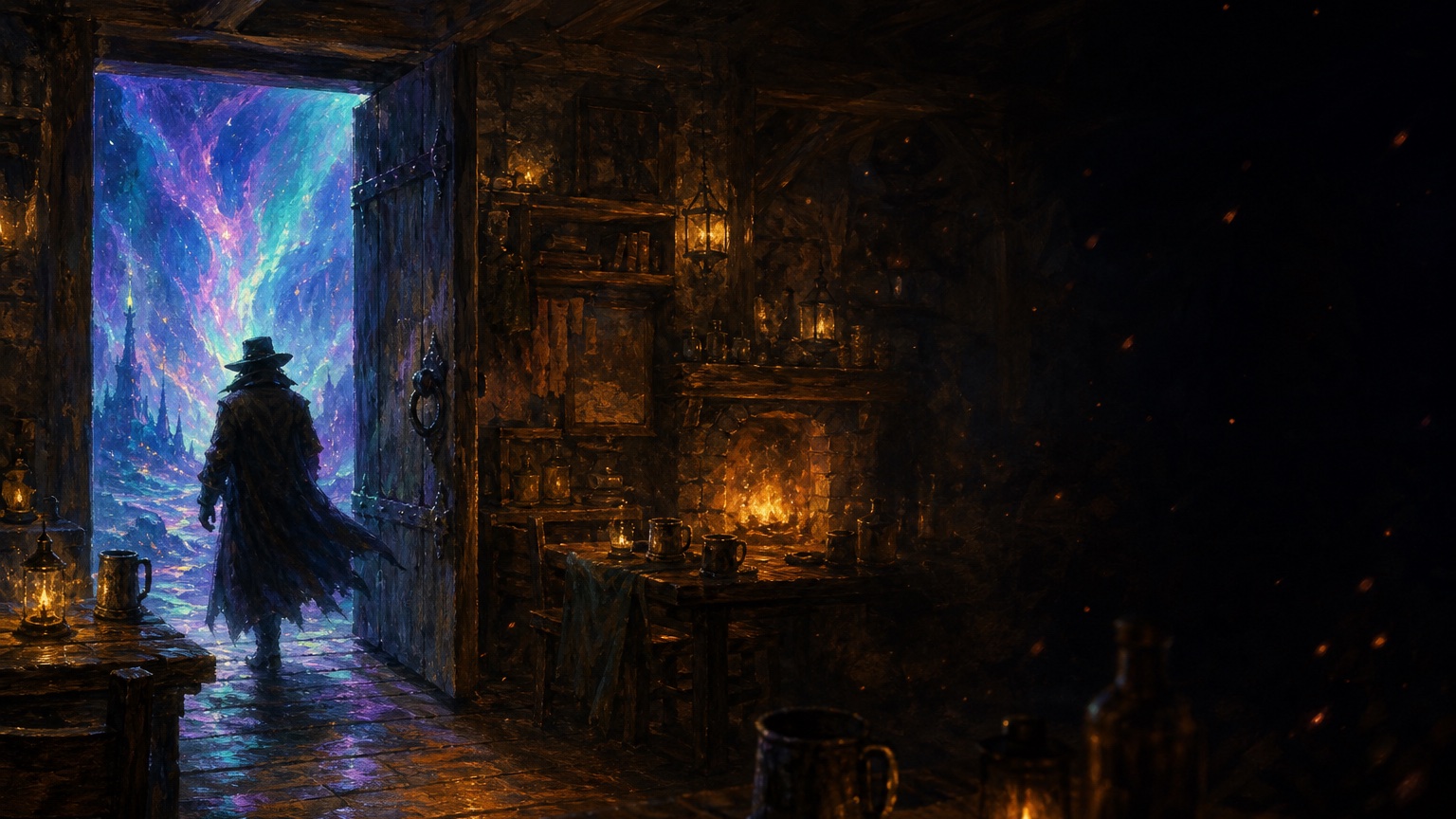
Cultural names in fantasy worldbuilding serve as the foundation for authenticity and immersion, carrying the weight of history, values, and identity within your fictional societies. These names should reflect the unique characteristics of your cultures while maintaining internal consistency and believability that resonates with readers familiar with fantasy conventions.
Noble Houses & Dynasties
Noble house names that convey power, history, and cultural values while hinting at the family's origins, achievements, or defining characteristics.
House Thornwick
Thorn-fortified place, suggesting resilience through hardship
Perfect for a noble house that rose to power during wartime or harsh conditions
The Starfall Dynasty
Founded during a celestial event, implies divine mandate
Use for ruling families who claim mystical or prophetic origins
House Ironvault
Strength and security, guardians of treasures or secrets
Ideal for merchant princes or houses controlling strategic resources
The Crimson Tide
Associated with bloodshed, conquest, or sacrifice
Best for warrior dynasties or houses with dark histories
Religious Orders & Cults
Religious and mystical organization names that reflect their beliefs, practices, and relationship with the divine or supernatural forces in your world.
The Ember Keepers
Guardians of sacred fire or dying light
Works for orders preserving ancient knowledge or maintaining eternal flames
Children of the Void
Devotees of nothingness or the space between worlds
Perfect for mysterious cults dealing with dark magic or forbidden knowledge
The Silver Chorus
United voices in harmony, often associated with healing or divine music
Use for benevolent orders focused on healing, prophecy, or celestial worship
Disciples of the Broken Crown
Followers of a fallen deity or lost kingdom
Ideal for revolutionary groups or cults seeking to restore lost power
Cultural Festivals & Traditions
Festival and ceremonial names that capture the essence of cultural values, seasonal celebrations, and important life transitions within fantasy societies.
The Night of Waning Shadows
When darkness retreats and hope returns
Perfect for celebrations marking the end of winter or victory over evil
The Feast of Fallen Leaves
Honoring the cycle of death and renewal
Use for autumn festivals or ceremonies remembering the dead
The Trial of Iron Will
A test of mental and physical endurance
Ideal for coming-of-age ceremonies in warrior cultures
The Dancing of Bones
Celebration where ancestors are honored through ritual
Works for necromantic cultures or those with strong ancestor worship
Guilds & Professional Orders
Professional organization names that reflect their trade, social status, and role within the broader cultural hierarchy of your fantasy world.
The Copper Coin Consortium
Merchant guild focused on everyday trade and common goods
Perfect for middle-class merchant organizations in urban settings
Brotherhood of the Quill
Scribes, scholars, and keepers of written knowledge
Use for learned societies or those controlling information flow
The Midnight Syndicate
Thieves' guild operating under cover of darkness
Ideal for criminal organizations or smuggling operations
Wardens of the Deep
Protectors of underground secrets or subterranean realms
Works for miners' guilds or those guarding dangerous depths
Cultural Artifacts & Symbols
Sacred objects, cultural symbols, and artifacts that serve as focal points for cultural identity and carry deep meaning within your fantasy societies.
The Sundered Crown
Symbol of broken unity or fallen greatness
Perfect for cultures dealing with civil war or lost golden ages
The Everburning Chalice
Vessel of eternal flame representing hope or divine presence
Use for religious artifacts central to cultural identity
The Weeping Stone
Monument to sorrow, loss, or sacrifice
Ideal for memorial sites or cultures built around tragedy
The Threefold Banner
Symbol representing unity of mind, body, and spirit
Works for cultures emphasizing balance or tripartite social structures
Naming tips
- Layer meaning by combining concrete imagery with abstract concepts—'Thornwick' suggests both physical resilience and the ability to thrive in harsh conditions
- Use alliteration and rhythm strategically—'Children of the Crimson Crown' flows better than 'People of the Red Crown' and creates more memorable names
- Consider the cultural values reflected in naming patterns—warrior cultures might emphasize strength and honor, while scholarly societies focus on wisdom and preservation
- Build naming consistency within cultures by establishing phonetic patterns, common root words, or thematic elements that tie related names together
- Think about how names would evolve over time—ancient festivals might have formal titles while common usage creates shortened, informal versions
- Balance familiarity with uniqueness—use recognizable linguistic patterns but twist them enough to feel distinctly fantasy rather than historical
- Consider the practical aspects—names characters will use frequently should be pronounceable and memorable, while ancient or ceremonial names can be more complex
- Use contrast purposefully—a sinister cult with a beautiful name creates intrigue, while obvious naming can work for straightforward worldbuilding
Remember that cultural names are storytelling tools that should enhance immersion rather than distract from it. The best fantasy cultural names feel both authentic to their world and purposeful in their construction, giving readers immediate insight into the societies that created them.